
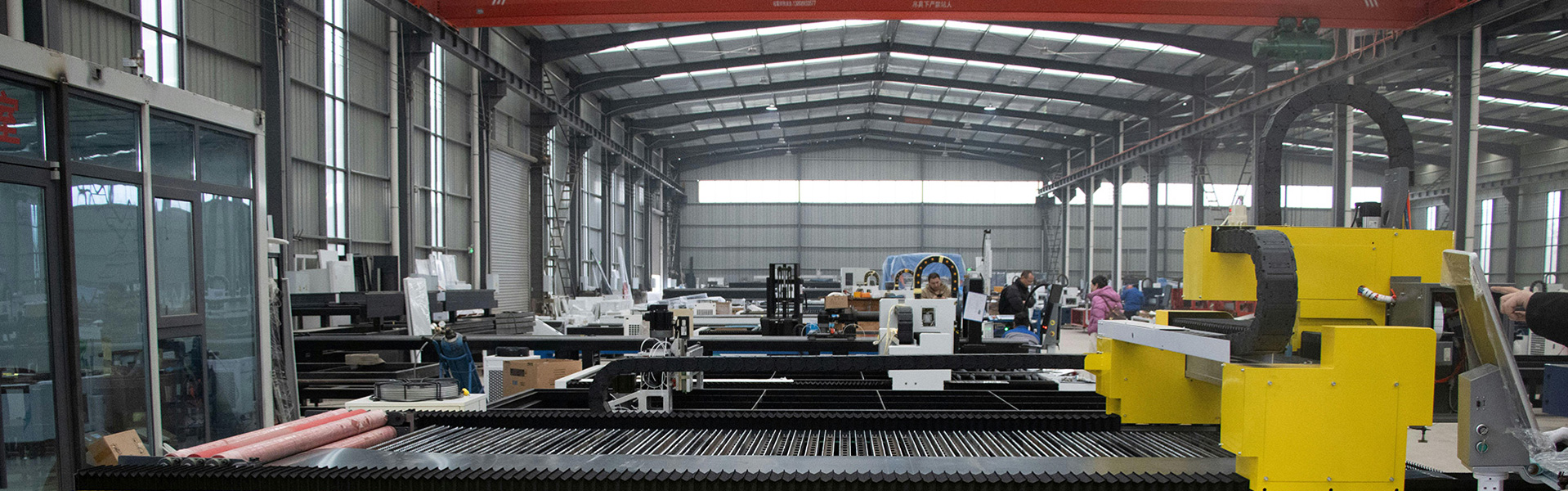
Machine Tool Industry
Machine Tool Operating Conditions
Cutting Fluid (Coolant) Corrosion
Linear guide and bearings are exposed to large amounts of cutting fluid for extended periods.
Extremely High Positioning Accuracy
Smooth movement at the micrometer (μm) level is required, eliminating "creep" phenomena.
High-Speed Spindle Operation
Spindle speeds can reach tens of thousands of revolutions per minute, generating intense centrifugal force and frictional heat.
Complex Motion Paths
Frequent starts, stops, reversals, and minute feeds.
Major Lubrication Challenges Machine Tool Lubrication
Major Lubrication Challenges Machine Tool Guideway Lubrication
• Cross-Contamination and Emulsification: If guideway oil drips into the cutting fluid, it will create floating oil, causing the cutting fluid to deteriorate and develop an unpleasant odor; conversely, if the cutting fluid seeps into the lubrication system, it will damage the oil film, leading to metal corrosion.
• Creep Phenomenon: At low feed rates, if the static friction coefficient of the lubricating oil is greater than the dynamic friction coefficient, the guideway will experience intermittent vibration, directly causing chatter marks on the machined surface and rendering high-precision parts unusable.
• Scrap Damage:Fine powder generated during metal cutting (especially from cast iron or alloy steel) easily mixes into the lubricating film, turning the lubricant into an "abrasive" and rapidly wearing down the guideway precision.
Major Lubrication Challenges of Spindle Lubrication
• Spindle Heat Dissipation and Wear:High-speed spindles are extremely sensitive to lubrication. Grease lubrication causes oil churning and heat generation, leading to thermal expansion and affecting spindle radial runout; it also significantly limits spindle speed.
Major Lubrication Challenges of Tool Lubrication
• Instantaneous High Temperature:The temperature in the cutting area at the tool tip can instantly reach 600°C - 1000°C. Ordinary lubricating oil will rapidly evaporate or carbonize at this temperature, losing its lubricating function.
• Cutting Fluid Deterioration: The introduction of contaminant oils (such as guideway oil) reduces the emulsification properties of the cutting fluid, leading to a shortened tool life.
• Waste Liquid Treatment:Traditional "high-flow rinsing" generates large amounts of waste liquid, resulting in extremely high treatment costs, and the chemical additives pose health risks to workers' skin and respiratory system.
• Residue Removal:Lubricant residue on tools and workpieces requires additional cleaning processes, increasing production cycles.
BAOTN Machine Tool Integrated Lubrication Solution
• BAOTN provides one-stop integrated solutions for machine tools, ensuring worry-free operation for customers.
• High-Precision Guideway Oil Lubrication System: BAOTN's high-precision volumetric thin oil lubrication system ensures precise metering for frequent, small-batch lubrication, significantly reducing oil consumption.
• High-Precision Guideway Grease Lubrication System: BAOTN's high-precision volumetric grease lubrication system saves over 90% on lubrication oil consumption while greatly improving lubrication performance and reliability.
• Oil-Air Lubrication: For high-speed spindles, a precision distributor with a minimum volume of 0.01mL is used. Compressed air is used to convert intermittent lubrication into continuous, precise lubrication, providing both precise lubrication and forced cooling through airflow while blocking external impurities. Compared to grease lubrication, this can increase spindle speed by 50%, significantly improving machine tool processing efficiency and accuracy while ensuring a longer spindle life.
• Minimal quantity tool lubrication: A stable thermal environment eliminates microcracks caused by alternating hot and cold temperatures, extending tool life by up to 20% to 500%. Chips are nearly dry and pollution-free, eliminating the skin and respiratory risks associated with traditional cutting fluids; compared to traditional cutting fluid lubrication, energy consumption is reduced by approximately 64%, and lubricant usage is reduced by up to 99%, thus reducing hazardous waste emissions.